
My Methodology

My Methodology

A transparent, end-to-end framework for turning ideas into working AI solutions. This is how I approach the work: every step designed to maximise value, mitigate risk, and stay aligned with the business goal it serves.

A Modulable Project Framework

This is my personal framework, forged through years of trial and error and inspired by proven models. It serves as a comprehensive yet modulable roadmap, designed to be adapted to each project's unique needs. Not every project requires every step; the framework's strength lies in its flexibility. For instance, a rapid Proof of Concept might only proceed through step 3 (Design & Prototyping) to quickly validate an idea before committing to full-scale development.

Core Principles

Design Thinking

I start with a human-centric approach, using empathy and iterative prototyping to ensure the solution solves real user problems and is intuitive to use.

Agile & Scrum

I work in iterative sprints, allowing for flexibility, continuous feedback, and rapid delivery of value. This ensures the project can adapt to changing needs.

DevOps & MLOps

I integrate development and operations to automate deployment, monitor performance, and ensure the AI solutions are reliable, scalable, and maintainable.

The Project Lifecycle

1

Intake & Initiation

Every project begins with understanding the core business problem. In this phase I define the vision, the high-level goals and the key stakeholders, establish scope and constraints, and build a preliminary roadmap so everyone involved is aligned from day one.

AI Feature: Utilize AI for initial market research and analysis of industry trends to contextualize the business problem.

Key Kickoff Activities

Goal Alignment

Solidify the project's vision, objectives, and what success looks like for everyone involved.

Role Definition (RACI)

Clearly define who is Responsible, Accountable, Consulted, and Informed to ensure smooth collaboration.

Communication Plan

Establish the cadence for meetings, status updates, and the primary channels for communication.

Initial Risk Assessment

Identify and discuss potential risks and challenges early on to create a proactive mitigation plan.

2

Analysis & Strategic Planning

A deep dive into the current state and the future vision. Collaborative workshops map the processes, define the requirements and build a comprehensive backlog, culminating in a clear, mission-oriented Strategic Hill that guides every decision after it.

AI Feature: Employ AI-powered tools to analyze existing documentation and user feedback, automatically identifying key themes, pain points, and competitor strategies to refine the Strategic Hill.

Example: A Strategic Hill for an AI Helpdesk

For Whom?

For all internal employees

What will they be able to do?

get instant, 24/7 answers to their IT support questions

What's the WOW?

without ever having to create a manual ticket

All employees, will be able to get instant, 24/7 answers to IT questions, without creating a manual ticket.

3

Design & Prototyping

With a clear goal, I translate requirements into tangible designs. I conduct user testing early and often, gathering feedback to validate design choices and ensure the final product is intuitive, accessible, and user-friendly.

AI Feature: Use AI to generate multiple design variations and prototypes based on initial wireframes, accelerating the creative process.

From Concept to Clickable Prototype

Lo-Fi Wireframes

Quickly sketch user flows and layout structures to focus on functionality and user journey without visual distractions.

Hi-Fi Mockups

Create detailed, pixel-perfect visual designs that represent the final look and feel of the application.

Interactive Prototypes

Build clickable prototypes to simulate user interactions and gather valuable feedback. I typically use tools like Figma, but often prefer to build rapid prototypes directly in code with the help of AI assistants like GitHub Copilot.

4

Agile Execution & Development

The core development work, executed in iterative sprints. Each sprint is a self-contained cycle designed to deliver a tangible piece of the final product, allowing for continuous feedback and adaptation.

AI Feature: Employ AI-assisted coding tools (like GitHub Copilot) to accelerate development, automate unit testing, and improve code quality.

The Iterative Sprint Cycle

Each sprint follows a structured cycle to ensure consistent progress and quality.

Sprint
Plan
Build
Test
Review
Retrospective
5

Monitoring, Control & QA

Quality is not an afterthought but an integral part of the process. I conduct rigorous testing throughout the lifecycle to ensure the solution is robust, secure, and meets all requirements.

AI Feature: Utilize AI to generate comprehensive test cases, identify potential edge cases, and analyze logs to proactively detect anomalies in performance or security.

The Testing Pyramid

Unit Tests

Automated tests that verify the smallest pieces of code in isolation.

Integration Tests

Ensure that different modules or services work together as expected.

End-to-End (E2E) Tests

Automated tests that simulate a full user journey through the application.

User Acceptance Testing (UAT)

Manual testing by end-users to confirm the solution meets their needs in a real-world scenario.

6

Closure & Value Realization

The project is deployed, but the work is not over. I ensure a smooth handover, provide comprehensive documentation, and establish a framework for measuring the solution against the Strategic Hill it was built to serve, so the value is actually realised.

AI Feature: Automatically generate final project documentation, release notes, and performance summary reports based on project data and development logs.

Comprehensive Documentation

Full technical and user documentation is delivered to ensure the client team can manage and evolve the solution independently.
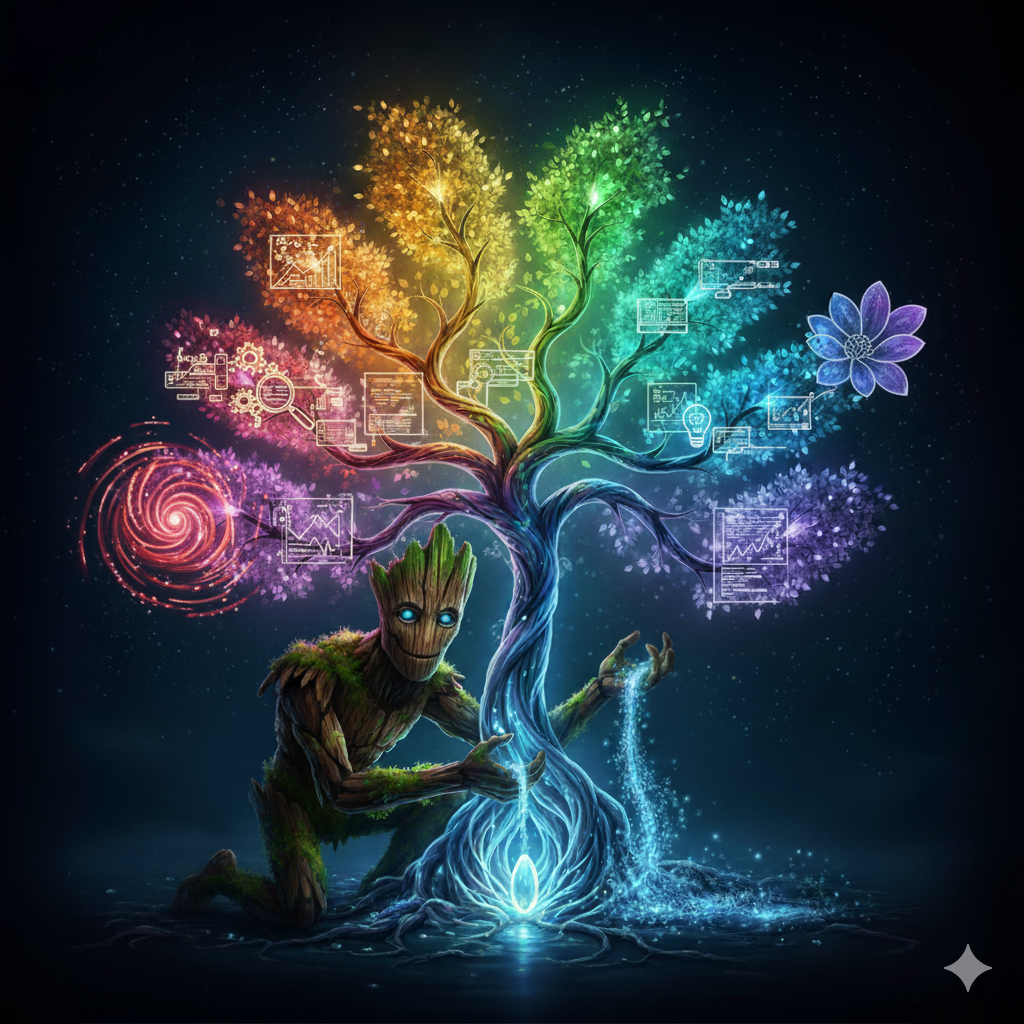
AI Cube Graph

ROI & Value Analysis

A final report is created, measuring the solution's impact against the KPIs defined during the strategic planning phase.

Final Handover & Closure

A formal project closure meeting to officially hand over the solution and ensure all stakeholder expectations have been met.

Internal Retrospective

An internal retro is conducted to analyze what went well and what didn't. This creates a feedback loop, ensuring lessons learned are applied to future projects for continuous improvement.

7

Team Enablement & Training

Long-term success means the solution outlives my involvement. Targeted training and enablement, hands-on workshops, technical deep-dives and a Center of Excellence starter kit leave the team owning, maintaining and innovating on what was built.
AI Feature: Generate personalized training materials and interactive tutorials based on an employee's role and existing skill level.

Training is customized to the audience, ensuring everyone from end-users to technical staff is confident with the new solution.

Target Audience

End-Users, Business Stakeholders, and IT/Technical Staff.

Key Learning Outcomes

  • Understand the solution's core features and business value.
  • Perform key tasks and workflows independently.
  • Know where to find documentation and support resources.
  • Understand basic maintenance and governance procedures.